
Flexible PU Foam Inserts | Custom PU Foam Inserts — Precision Protection & High Resilience
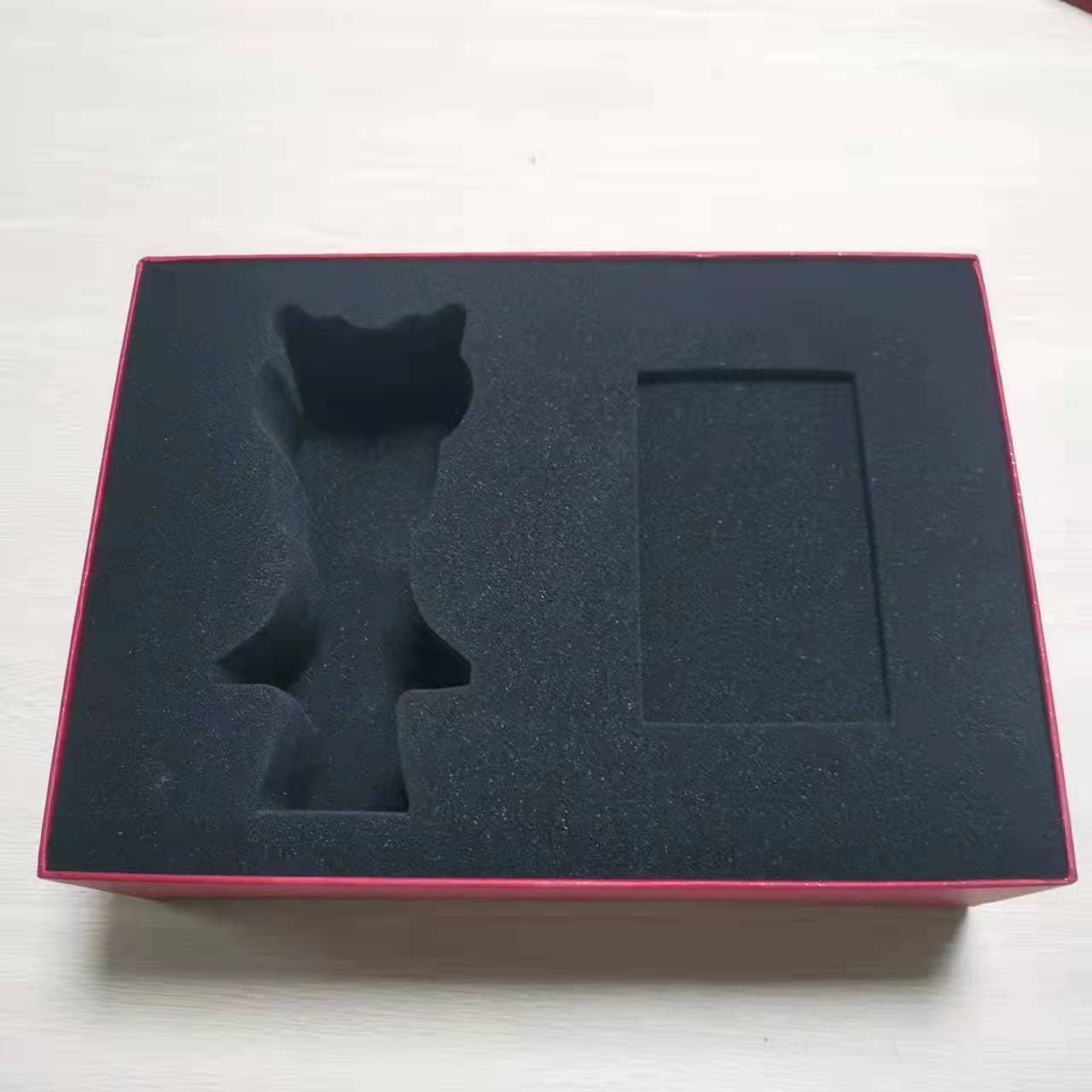
Custom flexible PU foam inserts for precision protection — die‑cut, CNC‑form, laminated options.
Excellent cushioning, rebound and surface protection.
Custom‑fabricated PU foam inserts engineered for repeatable cushioning, precise product fit and low abrasion.
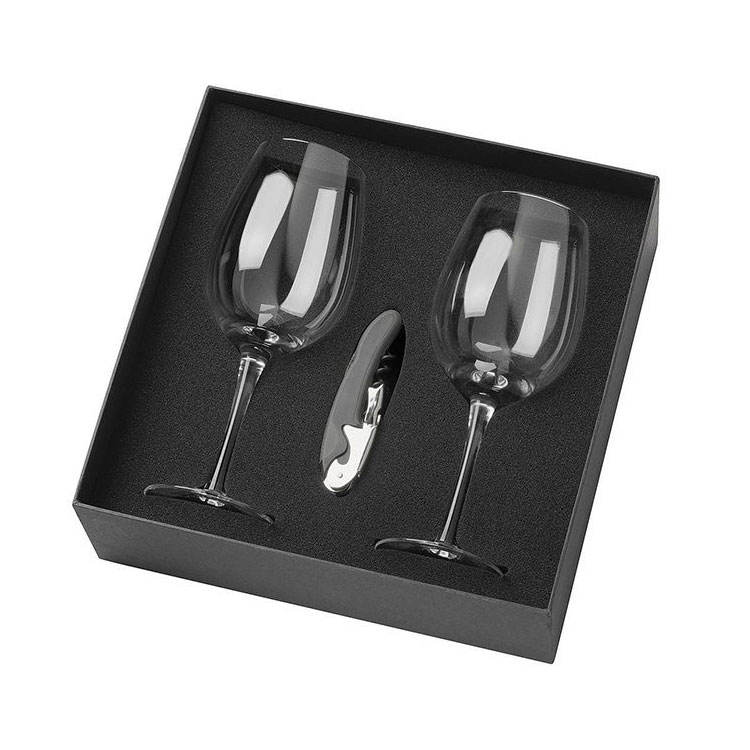
Ideal for electronics, medical devices, instruments and premium packaging.
Benefit tags: High Resilience · Precision CNC / Die‑Cut · Anti‑Scratch Surface · Custom Density & Thickness
Specification
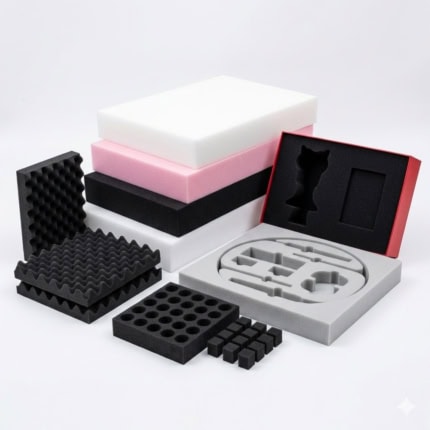
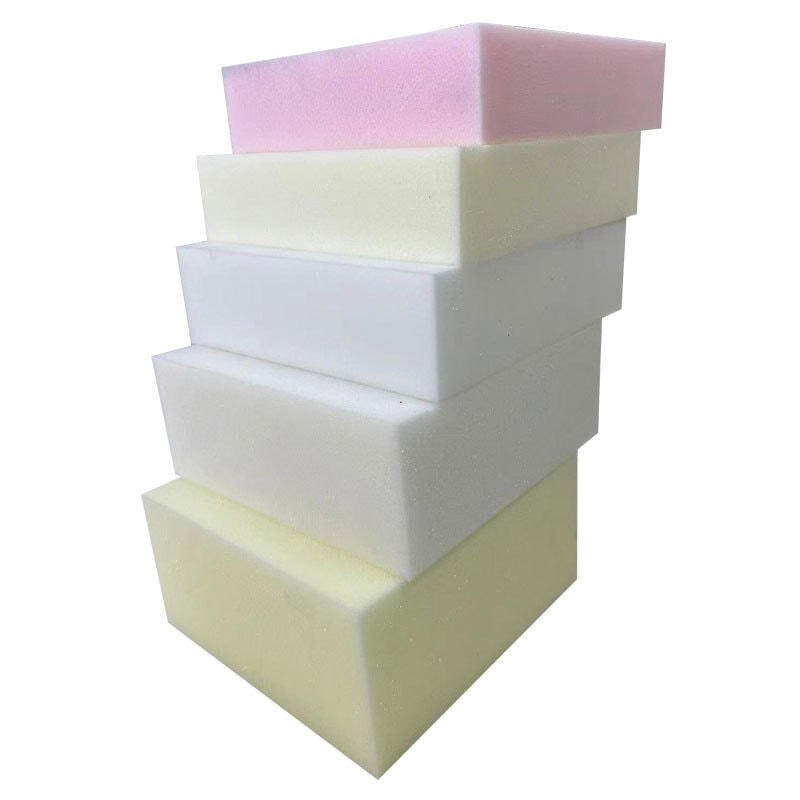
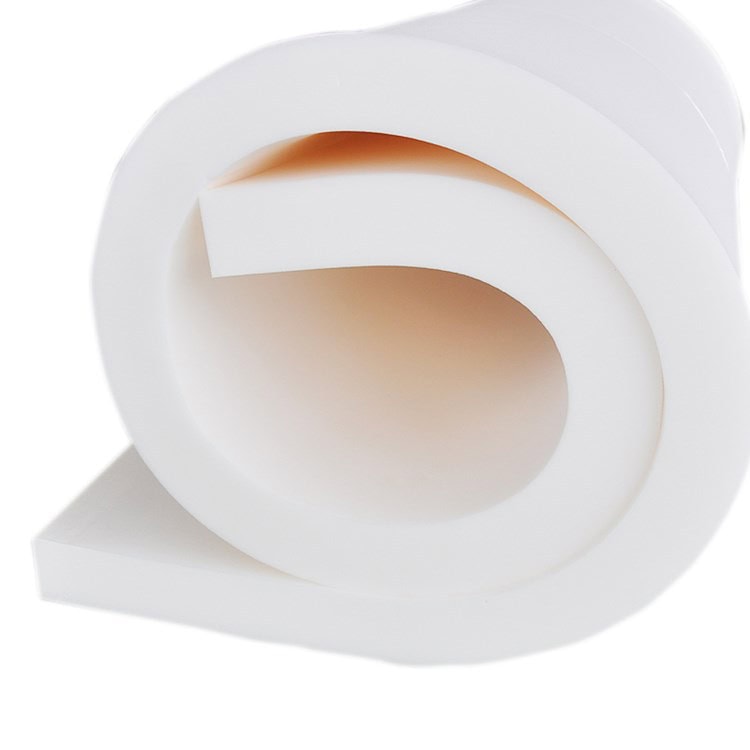
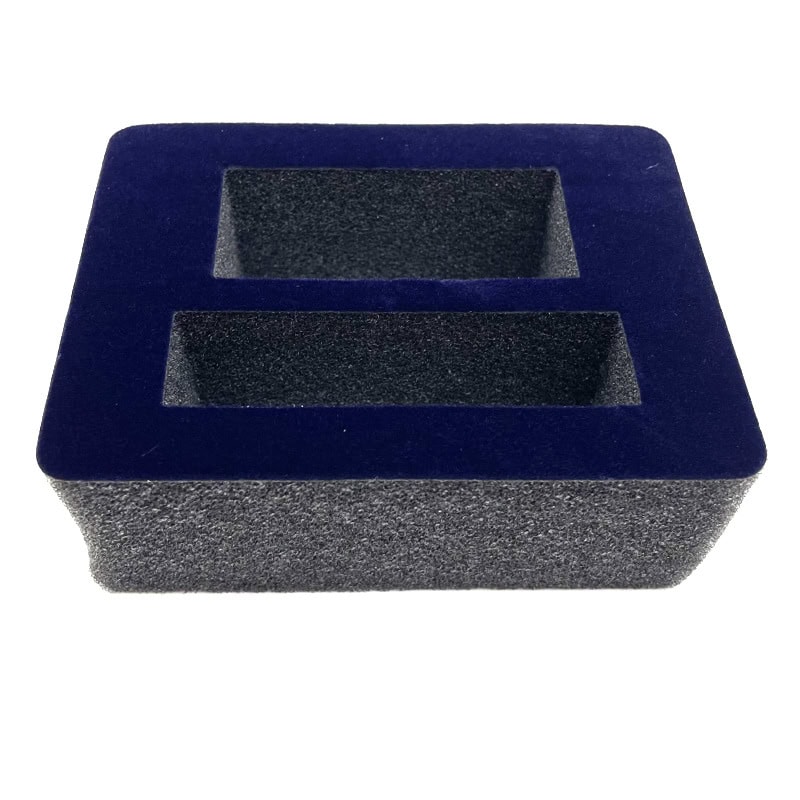
| Type | PU Foam Wrap | PU Foam sheets | Foam inserts |
| Dimension | 0.5x100m/1x100m | 0.5×0.5m/1.5x2m | Customized |
| Thickness | 1-10mm | 1-100mm | Customized |
| Color | White/Black | ||
| Density | 15-50KG/M3 | ||
| Applications | Protective Packaging (Electronics & Fragile Goods),Furniture & Surface Protection, Construction & Insulation,Used for soundproofing, vibration dampening, and as liners in various automotive components |
||
Material: Flexible PU foam (open‑cell / semi‑closed / custom formulation)
Density: 15–100 kg/m³ (customizable)
Thickness range: 0.5 mm – 50 mm ( custom available)
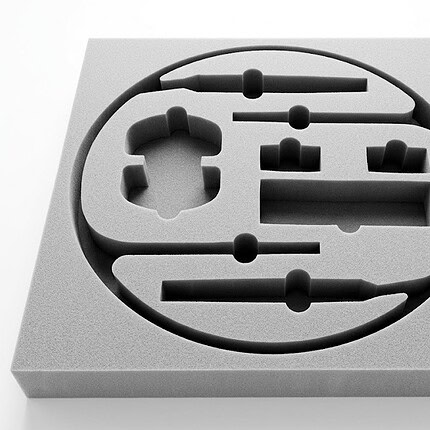
Standard supply: sheets, rolls, die‑cut inserts, CNC trays, laminated assemblies
Surface: smooth, textured, soft‑touch coating, adhesive‑backed options
Controlled cushioning & high rebound — reduces transit damage and restores shape after compression
Precision fabrication — die‑cut, CNC routing, laser cutting and thermoforming with tight tolerances
Anti‑scratch / soft‑touch surface options — protect delicate finishes and optics
Custom density & hardness — tailored to product weight, point loads and handling conditions
Lamination & bonding — PE/film/cloth/foil laminates and adhesive backing available
FAQ
Q: Can you match specific density and hardness?
A: Yes — we formulate PU foam to match required density and compression characteristics. Provide product details and we will recommend options.
Q: Do you support low dust / low friability grades?
A: Yes — low‑friability PU formulations and surface coatings are available for optics and sensitive parts.
Q: What file formats do you need for die‑cut/CNC parts?
A: Preferred: CAD/DXF for cutting; AI or PDF acceptable for 2D dielines. 3D parts benefit from STEP/IGES.
Q: What are typical lead times for prototypes?
A: Prototype/sample turnaround is typically 3–7 business days; mass production lead time depends on quantity and complexity.